Where Are My Yellow Flowers?
While cleaning up after a big job, another freelancer and I fell into the kind of conversation that happens when you’re used to working with relative strangers: you can go deep or stay at the surface, sometimes both simultaneously. He asked what I did when I wasn’t freelancing. I told him about June Street—deliveries, bouquets, small events, journal entries, and even this newsletter.
Somehow, this led to a conversation about yellow flowers. Apparently, September 21 is Yellow Flowers Day. I had never heard of it and, with squinty, suspicious eyes, said, “Mmm… that sounds like a scam. Something like National Hot Dog Day or National Margarita Day.” One of those internet holidays fabricated by a culture so under-ritualized that we look to external objects to fill the void. He told me he had tried to find yellow flowers for his sweetheart but came up empty-handed, so he modified the gesture with another bonus treat. The response: “Yes, but where are my yellow flowers?” We laughed about the ridiculousness of it all.
I haven’t stopped thinking about how familiar that impulse is. Not because I thought her response was particularly egregious, but because I so keenly recognized the inclination to point out the deviation instead of noticing the baseline good. It’s so hilariously human.
How often do we all do this? Something delightful happens, but it isn’t quite what we imagined—even if we never imagined it in the first place! A gesture comes in the “wrong” form. A day goes mostly right, except for a minor wrinkle. Somehow, the missing piece becomes the thing we remember. Why are we so remarkably skilled at noticing what isn’t there? Is it because we take for granted all the things that go right?
The thought has stayed with me because I encounter this tension constantly in working with flowers. There are more times than not that a specific flower doesn’t arrive. It’s out of season, unavailable, damaged in transit, or simply not what you expected. There is never a perfect inventory of imagined ingredients waiting for you. At some point, you have to decide what to do with what is actually in front of you.
In Anam Cara, John O’Donohue writes about the different ways we see the world—the fearful eye, the resentful eye, the judgmental eye, the indifferent eye, and the loving eye, among others. The loving eye, he says, is neither sentimental nor naive. It sees possibility. It allows us to see beyond what is immediately in front of us and recognize what something might become.
How often do we look with the wrong eyes?
This is part of why I find designing within the seasons so powerful. Flowers have their own timing, and nature doesn’t work from our inventory list. This work asks us to pay attention to what has arrived, respond to it, and let it take us somewhere we may not have planned to go.
June Street, in many ways, is an exercise in this kind of seeing. The improvisation with the flowers that arrive, playing off the season we’re in. Remaining open to the unexpected ingredient that changes the direction of an arrangement—the very thing we couldn’t have planned for that turns out to be the most interesting.
It is our responsibility—and our privilege—to choose how we respond to what we are given.
Maybe the work is not to stop noticing what is missing, but simply to notice what is before us, too.
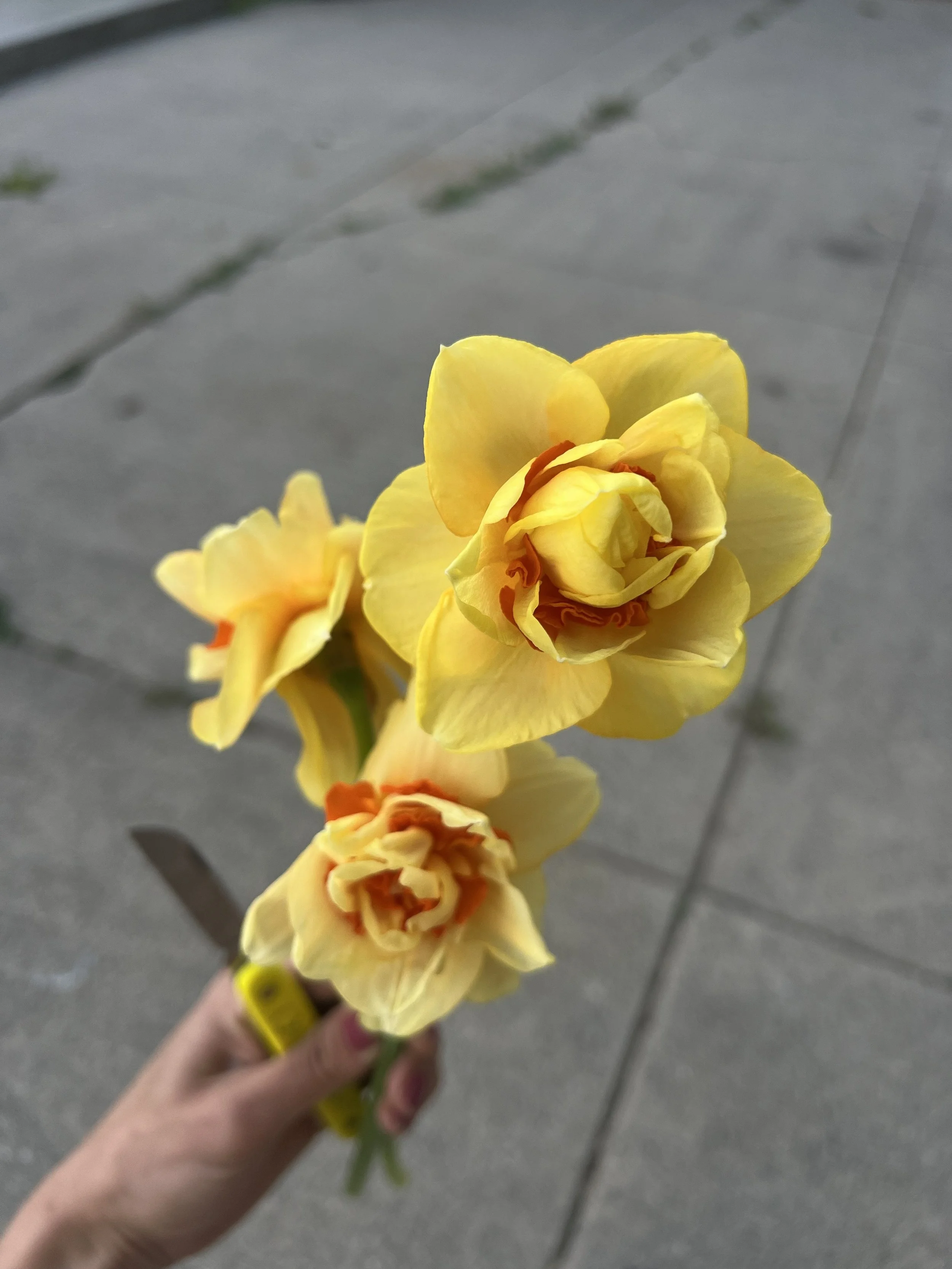
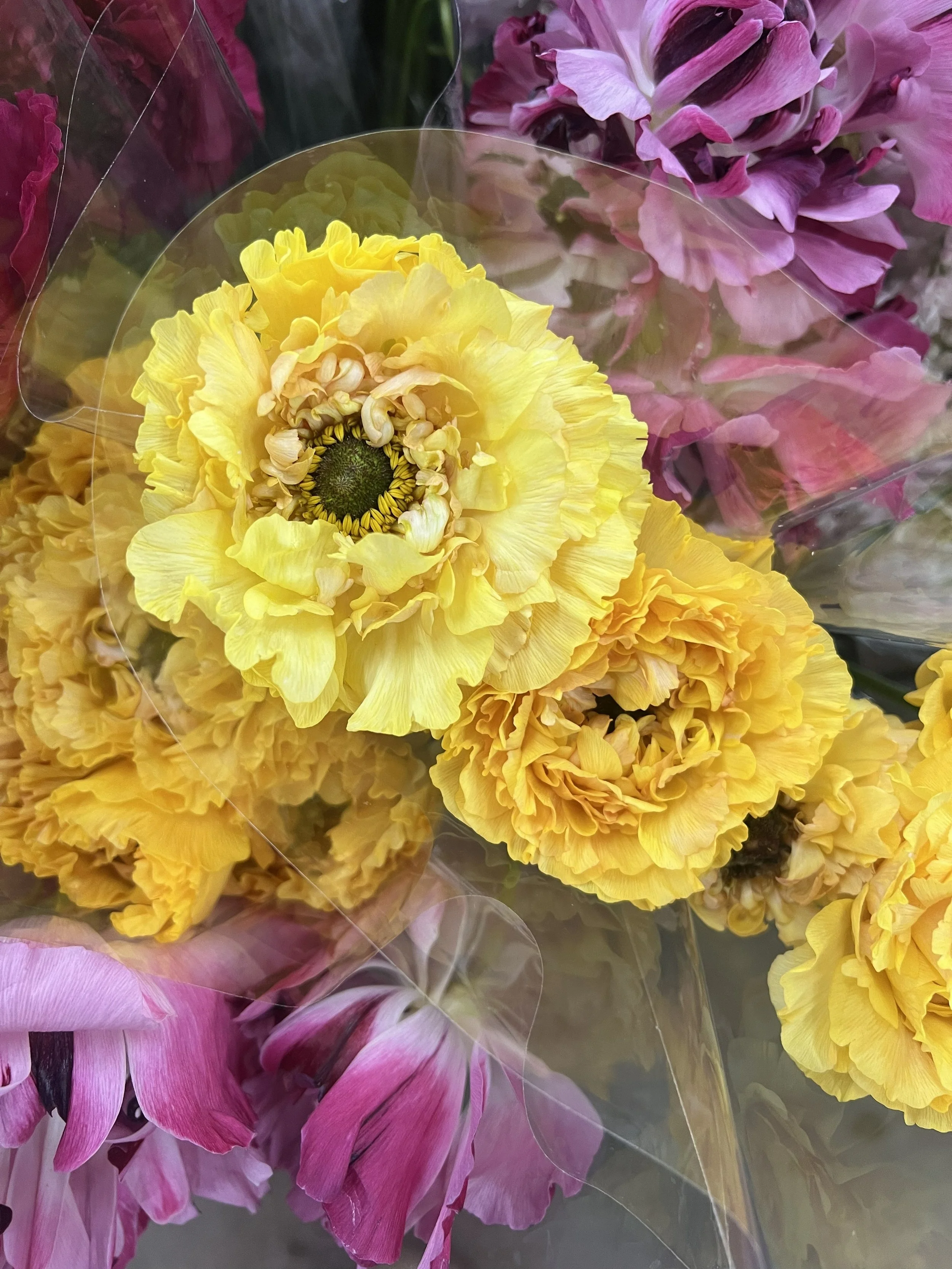
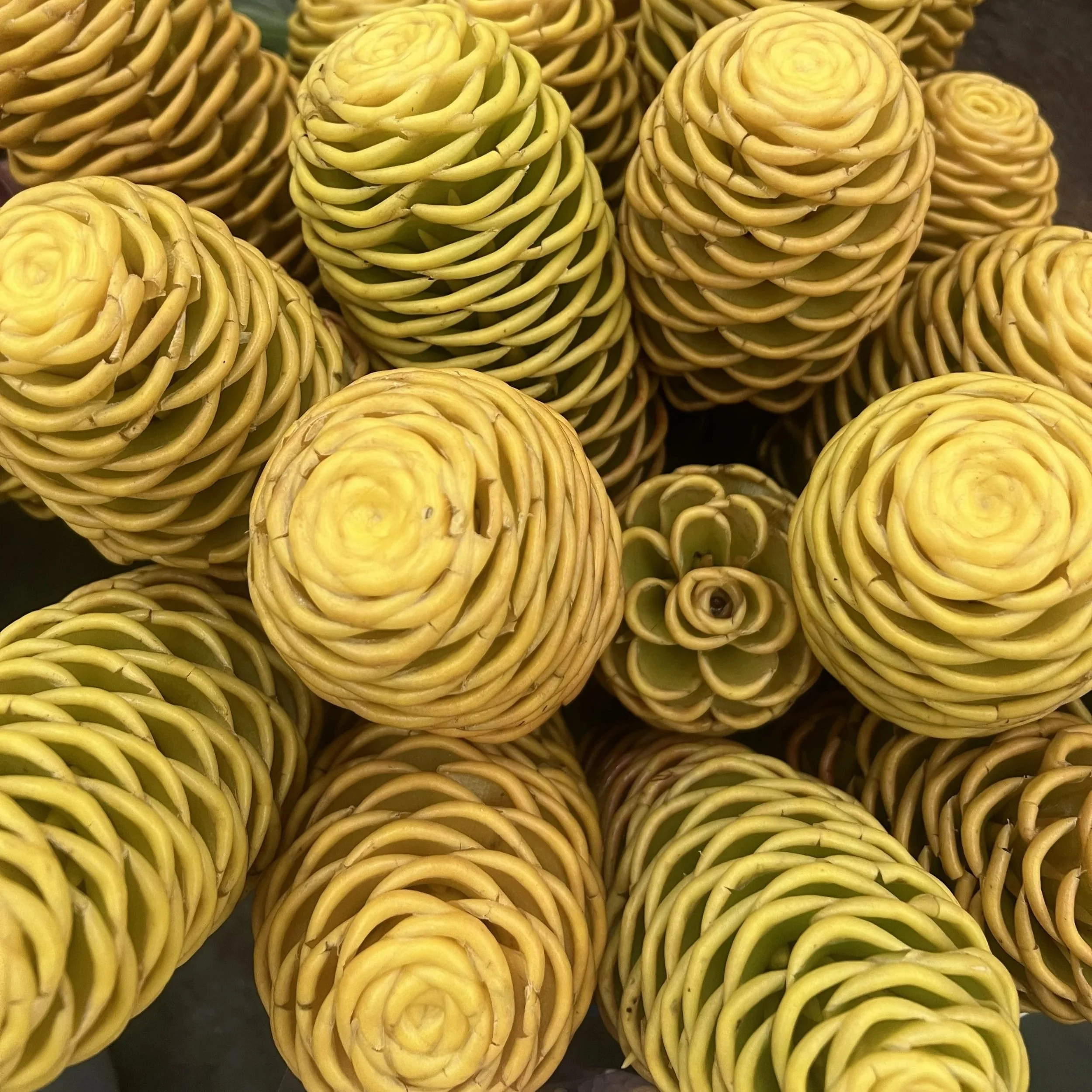
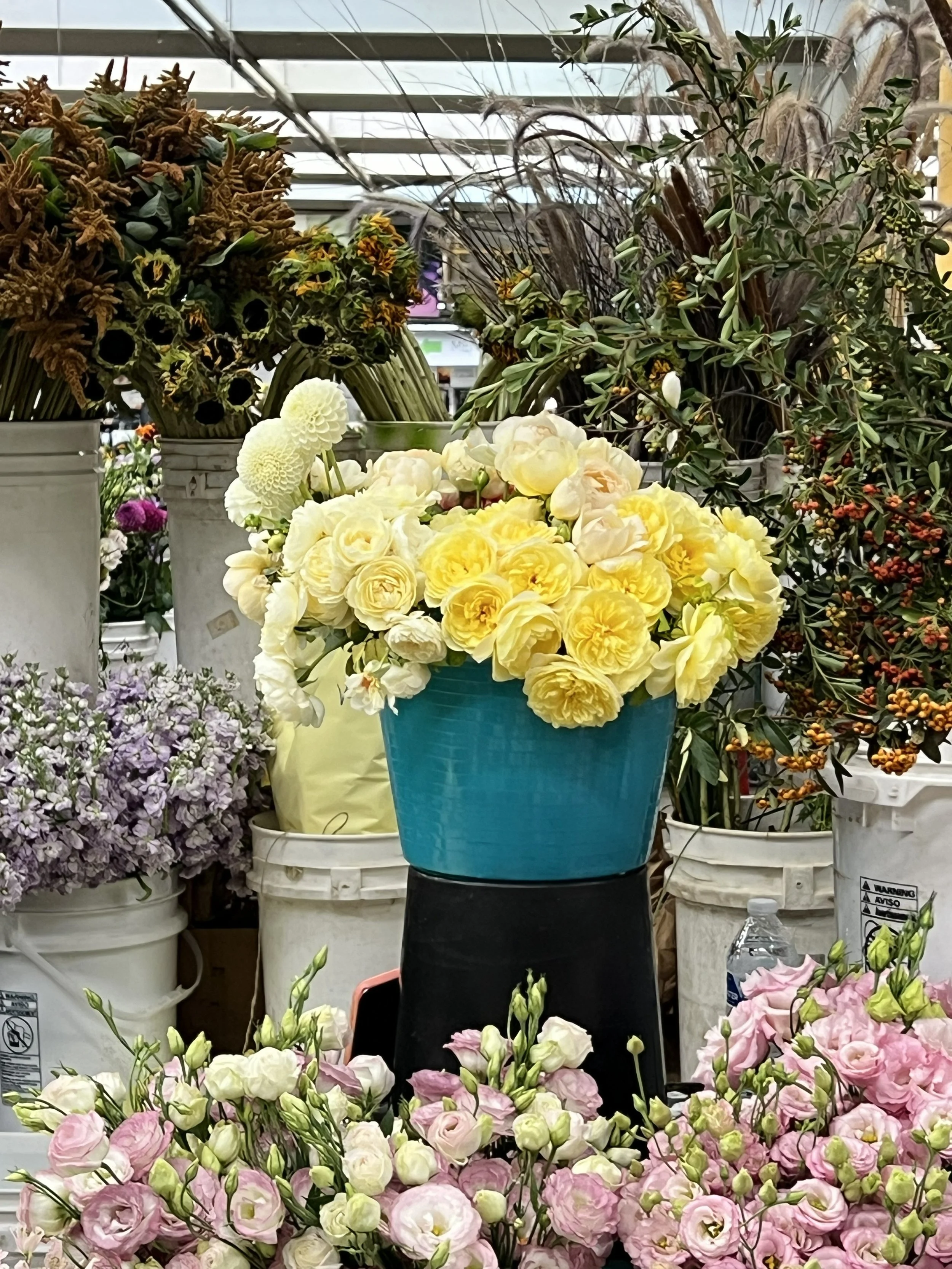
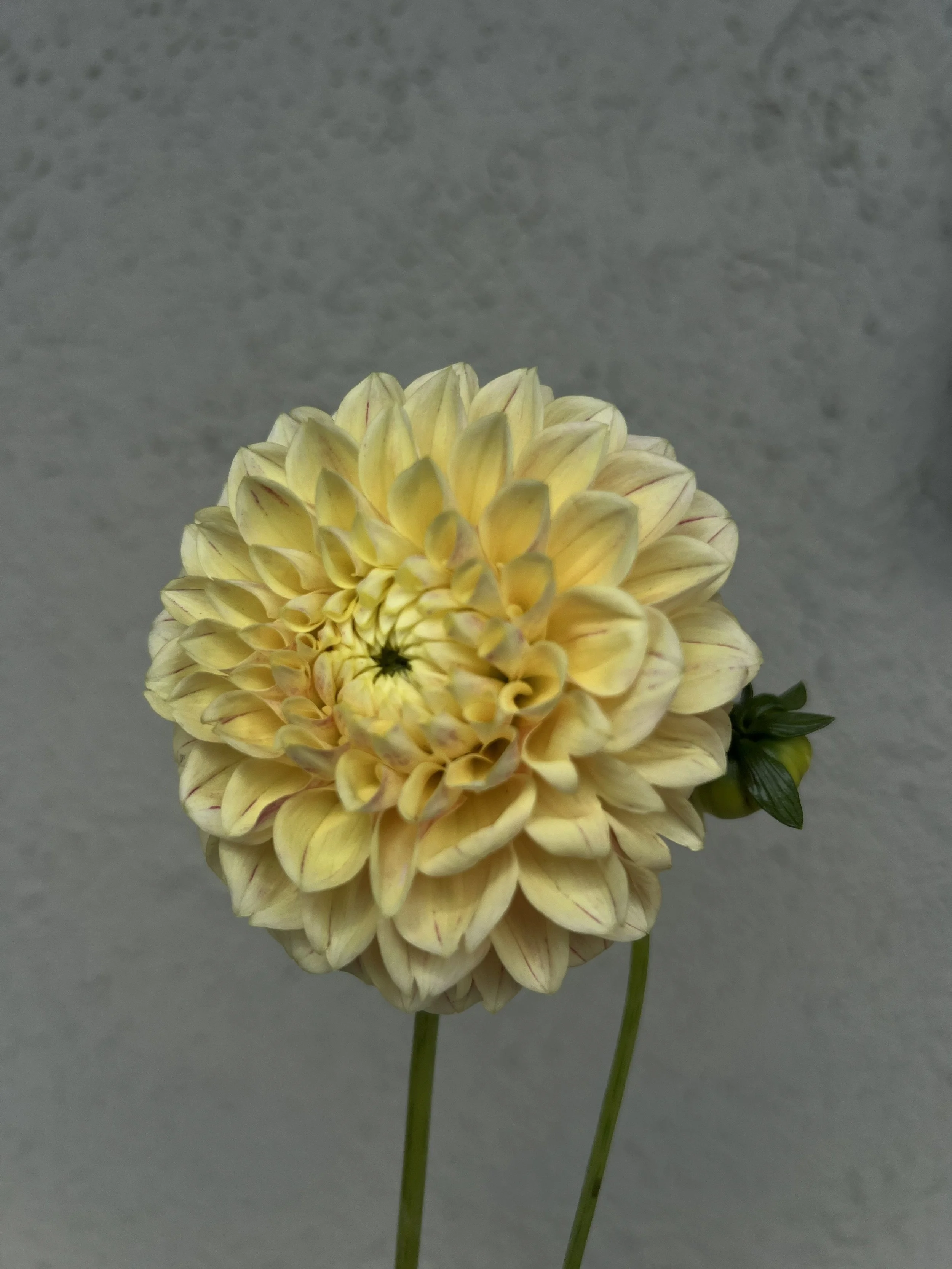
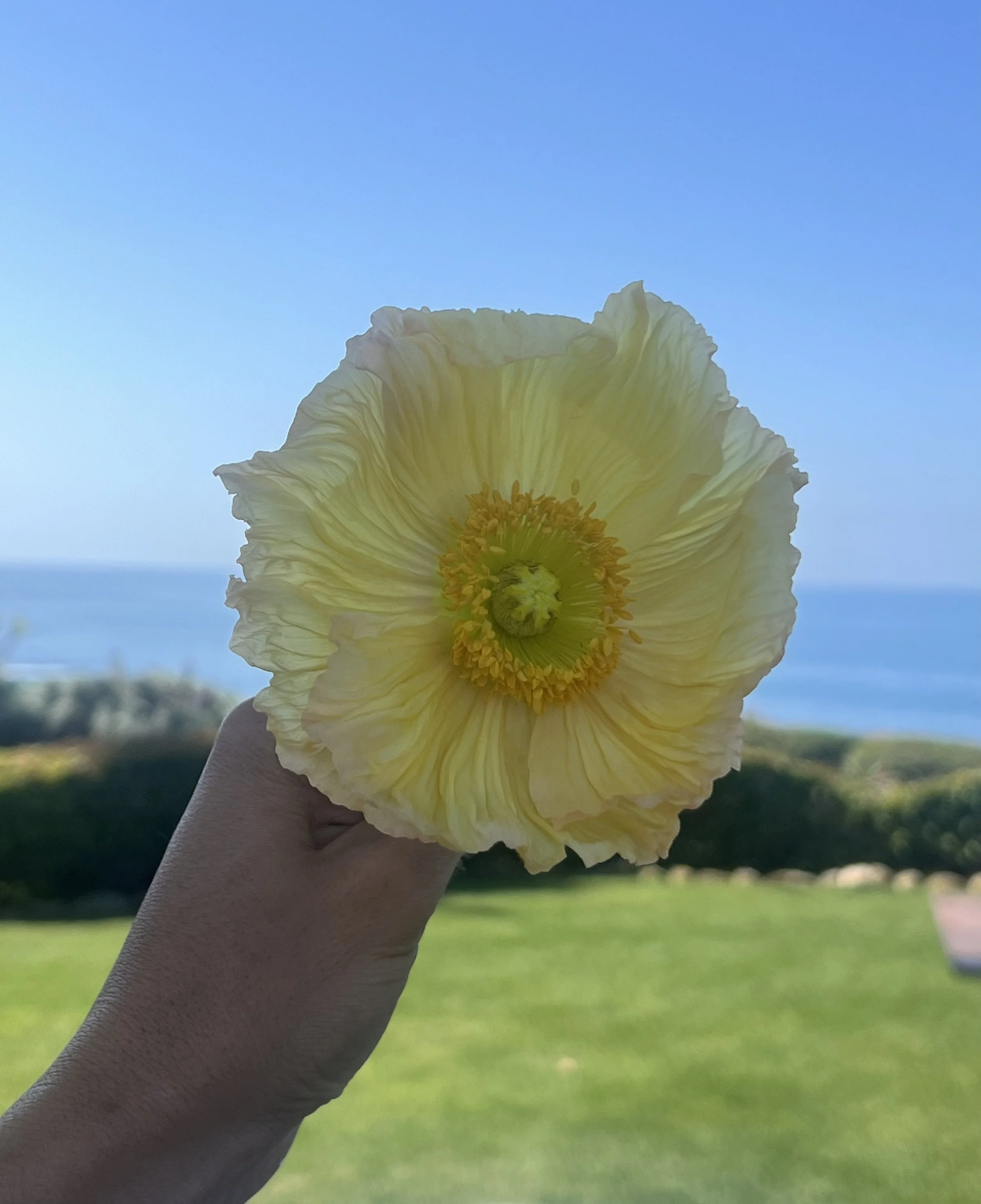
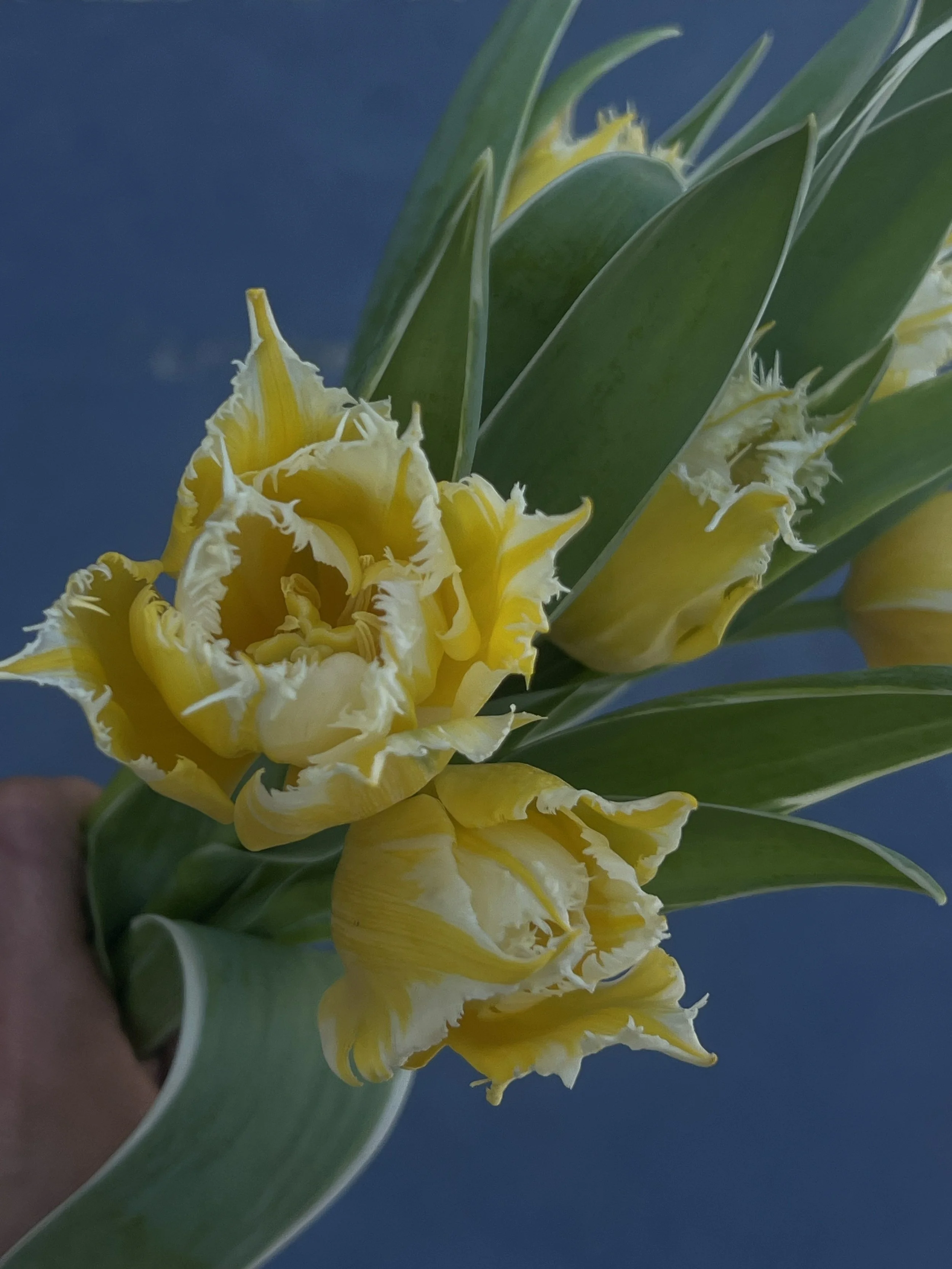
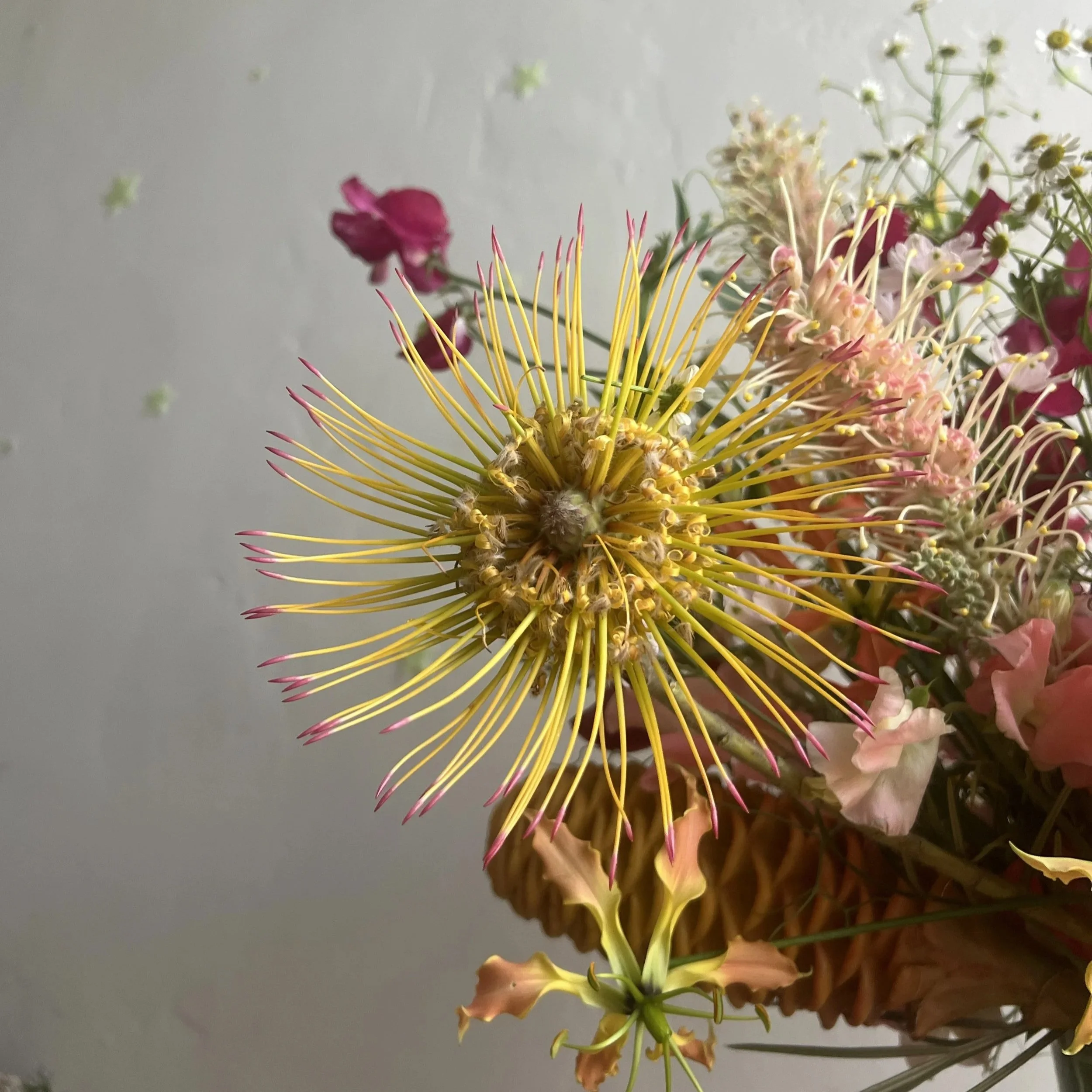
I leave you with a gallery of my favorite yellow flowers from this year <3
